 Bulletin des Communes Le portail National des Collectivités locales et territoriales

🇫🇷 Lire cet article en français →
France tourism summer 2026 figures show a record season in hotels, campsites and holiday residences. According to Insee, the French national statistics office, these establishments recorded 260.5 million overnight stays between May and August, up 1.1% on 2025. That is the highest level in fifteen years. Growth came from holidaymakers living in France, while foreign demand held steady. Here are the key figures by type of accommodation, visitor origin and area.
The France tourism summer 2026 results were published by Insee on 29 September 2026. They cover the summer season from May to August in “collective” tourist accommodation. Figures for July and August are still provisional.
In practice, the Insee study covers hotels, campsites and other collective accommodation such as holiday residences. However, private rentals between individuals on online platforms are not included.
France tourism summer 2026: how big was the season?
Collective accommodation recorded 260.5 million overnight stays. That is 2.8 million more than in summer 2025, which had 257.8 million. The increase is therefore 1.1%.
The total is also well above 2019, before the pandemic, when Insee counted 241.4 million stays over the same period. As a result, 2026 is the highest level for fifteen years.
One overnight stay means one person spending one night. So a family of four camping for a week counts as 28 overnight stays.
Hotels, campsites or residences: which grew most?
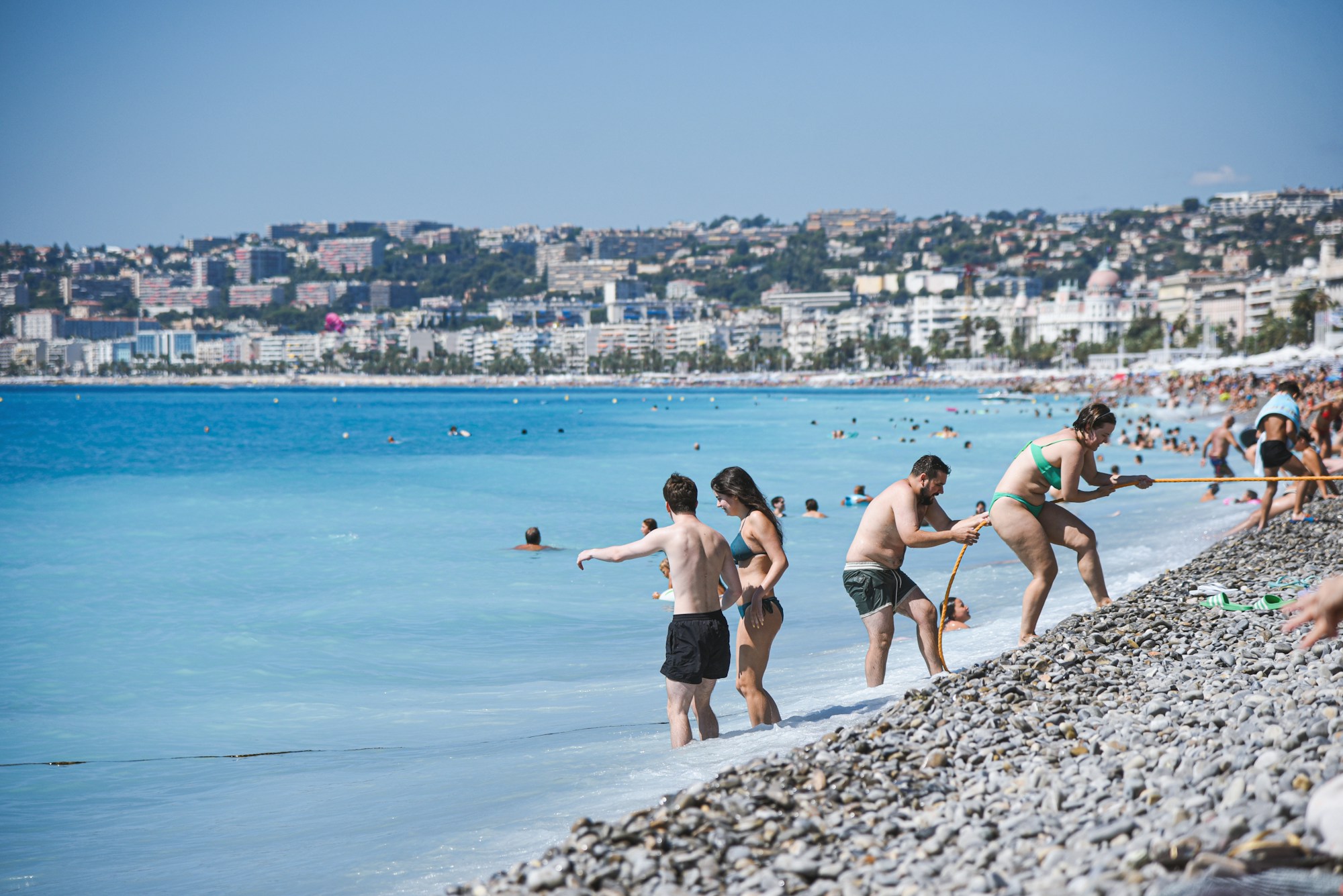
Campsites remain the most popular type of summer accommodation in France, with 126.5 million stays, up 1.1%. Hotels grew a little faster, reaching 92.0 million stays, up 1.7%.
By contrast, other collective accommodation fell slightly, from 42.2 to 42.0 million stays (-0.4%). Holiday residences within this group still rose, from 29.1 to 29.6 million.
French or foreign visitors: where did growth come from?
All of the growth came from tourists living in France, whose stays rose by 1.6%. They account for more than two in three summer stays in these establishments.
Meanwhile, foreign demand was stable over the season and even fell in August. The share of stays by non-residents slipped from 31.8% in 2025 to 31.5% in 2026.
In hotels, Americans remain the largest foreign group, with 5.4 million stays. They are followed by the British (4.3 million) and Germans (3.9 million). However, Spanish visitors fell by 8.5%, Chinese visitors by 9.0% and Japanese visitors by 10.8%.
On campsites, the Dutch still lead with 11.8 million stays, although this is down 3.1%. Germans were the only one of the top five nationalities to grow, by 1.3%.
Which parts of France gained and lost?
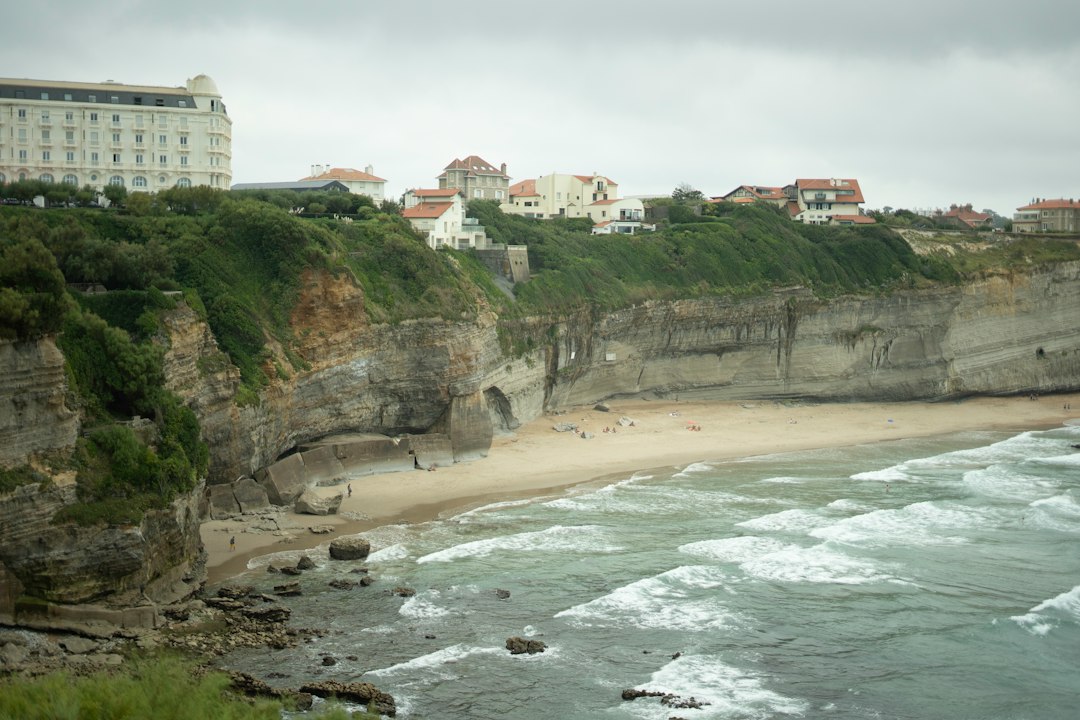
The coast recorded 106.3 million stays, up 1.4%. However, trends differed sharply between coastlines:
- Eastern Channel and North Sea: +5.6%, to 9.4 million stays;
- Northern Atlantic and Western Channel: +5.0%, to 26.4 million;
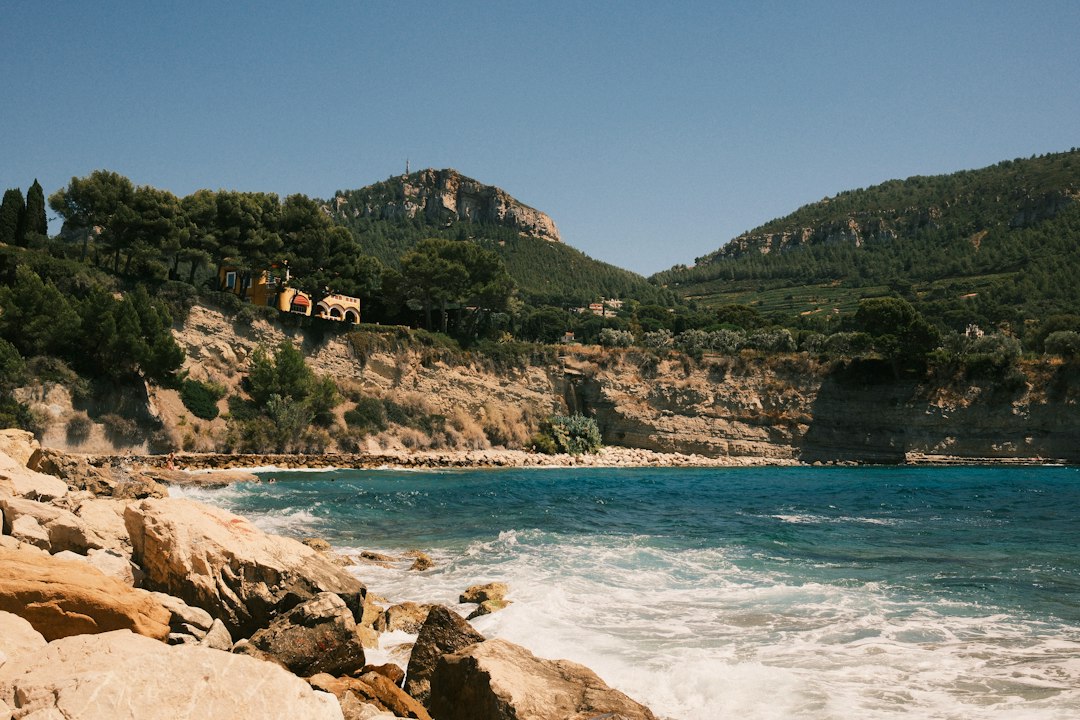
- Mediterranean: +0.3%, to 46.6 million, with a weaker August;
- Southern Atlantic: -2.3%, to 22.4 million, partly linked by Insee to the July wildfires.
Mountain areas rose by 1.3% to 45.0 million stays, and rural areas by 3.2%. Large, densely populated cities fell by 3.9%, which Insee partly attributes to heatwaves. Business travel rose by 7.6% but remains 36% below its 2019 level.
What this means for visitors and local councils
For travellers, rural France and the Channel coast are clearly gaining popularity. For local councils (communes), these figures are a useful benchmark: the tourist tax they collect depends on the number of nights declared by accommodation providers.
Several destinations publish their own results. See for example our articles on Vichy tourism figures and Saint-Marcellin Vercors tourism.
France tourism summer 2026: key takeaways
- 260.5 million overnight stays from May to August 2026, up 1.1% and a fifteen-year high.
- Growth came from French residents (+1.6%); foreign demand was stable.
- Hotels +1.7%, campsites +1.1%, other collective accommodation -0.4%.
- Strong growth on the Channel and northern Atlantic coasts; declines on the southern Atlantic coast and in large cities.
- July and August figures are provisional; private platform rentals are not counted.
Sources: Insee Focus no. 387, “Saison touristique d’été 2026”, Gilles Valaison, 29 September 2026, accessed 7 November 2026. Featured photo: Luna Wang / Unsplash.