 Bulletin des Communes Le portail National des Collectivités locales et territoriales
🇫🇷 Lire cet article en français →
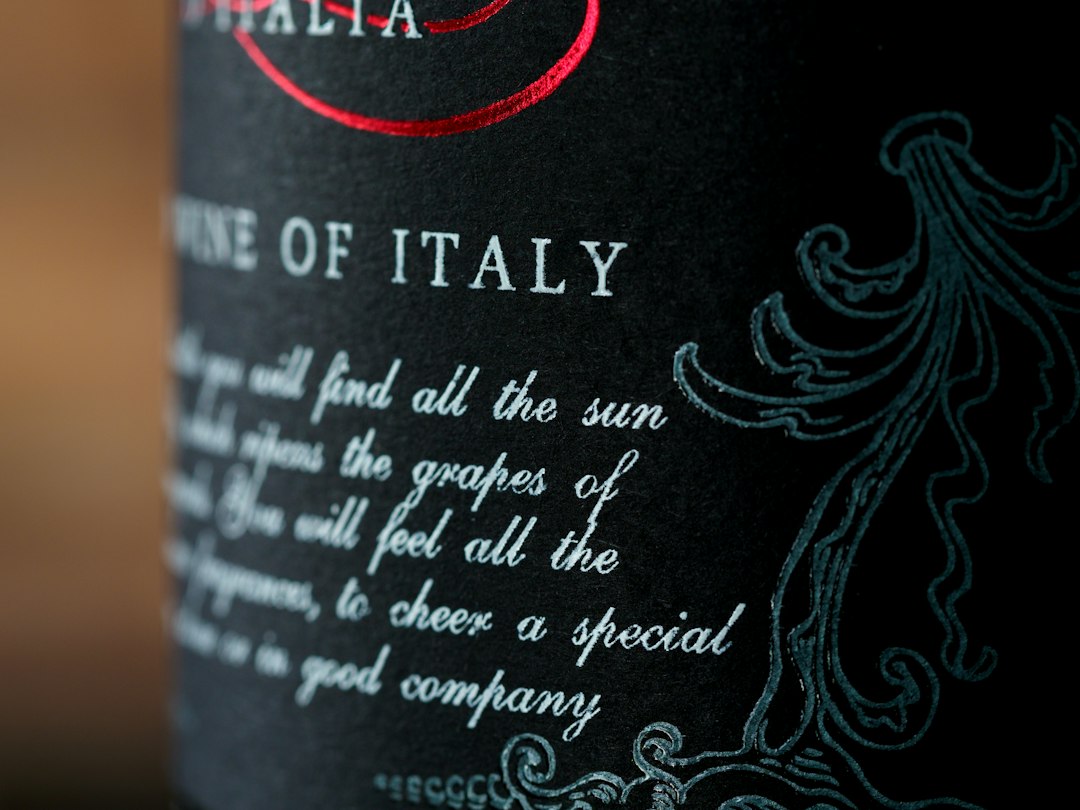
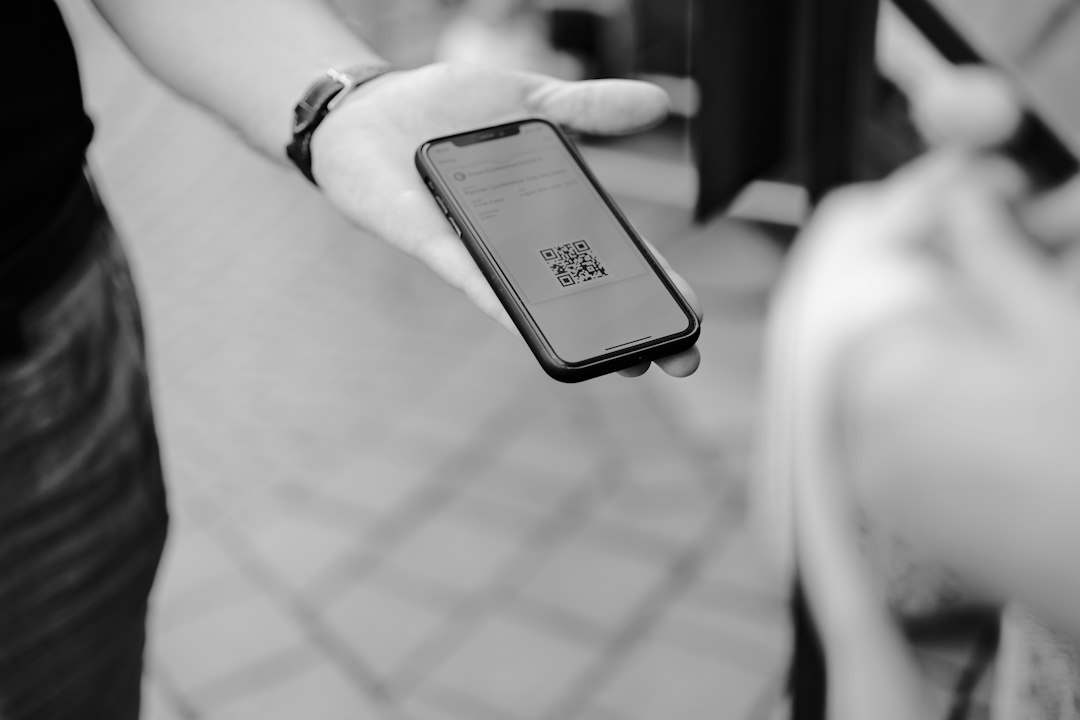
The wine label QR code on French bottles gives access to the list of ingredients and the nutrition declaration of the wine. Since 8 December 2023, this information has been compulsory in the European Union for wines produced after that date and sold to consumers. Producers may put part of it online, but under strict rules. Here is what you will find when you scan the code, what must stay on the paper label and how to spot a compliant code when buying wine in France.
Many visitors to French vineyards wonder what the small black and white square on the back label is for. In fact, the answer lies in EU wine law, which the DGCCRF, France’s consumer protection and fraud control authority, explains in a practical guide published in June 2024. Producers, wine shops and inspectors use it as a reference.
Why is there a QR code on wine labels?
For a long time, wine was exempt from listing its ingredients, unlike most food. Since 8 December 2023, however, the list of ingredients and the nutrition declaration have been compulsory for wines and aromatised wine products made after that date. The rule comes notably from Regulation (EU) 2021/2117, which amended the common organisation of agricultural markets.
This information takes up space on an already crowded label. That is why EU law allows part of it to be provided electronically: by QR code, NFC chip or a similar system. The QR code has become the most common solution.
Are older wines affected?
No. According to the DGCCRF guide, wines produced before 8 December 2023 may be sold without the new information until stocks run out. An older bottle without a QR code is therefore not necessarily breaking the rules.
What do you find when you scan the wine label QR code?
The code must lead directly to a page dedicated to the wine on sale. It shows two blocks of information.
- The list of ingredients in descending order of weight: grapes, but also additives, named by category and then by name or E number, for example “stabilising agent (E 330)”.
- Allergens highlighted, including sulphites, and eggs or milk if they were used in production.
- The nutrition declaration per 100 ml: energy in kJ and kcal, fat, saturated fat, carbohydrates, sugars, protein and salt.
For wine, several values are often zero. The guide then allows the wording “Contains negligible amounts of…”. Moreover, one page can cover several wines or vintages if their lists are identical.
What must stay on the paper label?
Not everything can go online. The guide’s example shows that the physical label must keep the energy value, for example “E (100 ml): 340 kJ / 82 kcal”, and the allergens, such as “Contains sulphites”. These appear in the same field of vision as the other compulsory details, such as alcohol content and volume.
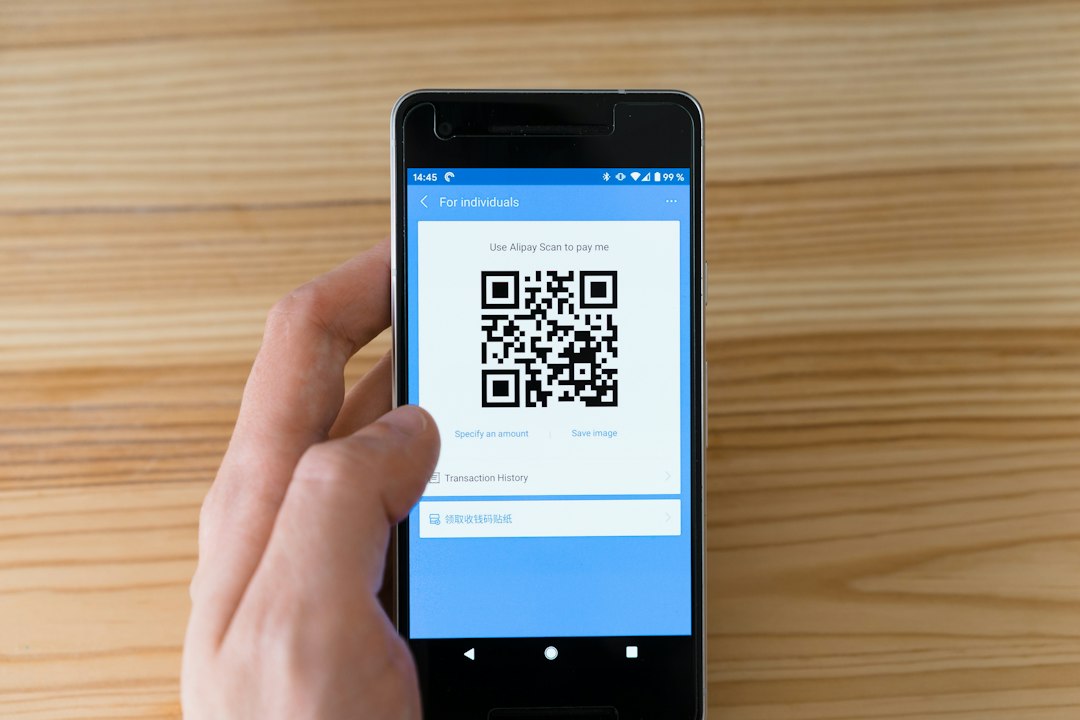
In addition, a clear statement must appear right next to the QR code, for example “Ingredients and nutrition declaration”. However, a simple “i” in the middle of the code is not enough, the DGCCRF says.
How can you tell if the wine label QR code complies?
The guide sets several safeguards for consumers:
- the page must be neutral: no advertising, no link to the estate’s shop, no food and wine pairings;
- the system must not collect or track users’ data; only aggregated statistics are allowed;
- the information must remain legible, reliable and accurate for the whole life of the product;
- if a bottle carries several QR codes, the regulatory one must be clearly identified.
If the code leads to a sales page or no longer works, you can ask the producer or the wine shop. To scan it, the camera of a recent smartphone is usually enough: no special app is needed.
What it means for winemakers and visitors
For winemakers, the rule means knowing the exact composition of each wine and keeping the online pages up to date. The information must also appear on online shops and on gift boxes.
For visitors touring French wine regions, on the other hand, it is a transparency tool. At a tasting or at an auction such as the Hospices de Beaune wine sale, anyone can check what a wine contains. French readers can find the French version of this article.
Wine label QR code: key takeaways
- Since 8 December 2023, ingredients and nutrition values are compulsory for wines produced after that date.
- The QR code can carry the full list of ingredients and the nutrition declaration.
- The paper label keeps the energy value, allergens and a clear statement next to the code.
- The page must be neutral, with no advertising and no collection of personal data.
- Wines produced before that date may be sold until stocks run out.
Sources: DGCCRF, guide on the list of ingredients and nutrition declaration of wines, June 2024, hosted by DRAAF Occitanie, accessed 21 November 2026. Featured photo: Brett Jordan / Unsplash.