 Bulletin des Communes Le portail National des Collectivités locales et territoriales
🇫🇷 Lire cet article en français →
The Voyage à Nantes 2026 summer edition, held from 4 July to 6 September, saw overnight tourist stays rise by 4% on 2025, while day trips fell, according to results presented on 4 November 2026. Le Voyage à Nantes is a contemporary art trail through the city, run since 2012 by a local public company set up by Nantes Métropole (the metropolitan authority) and the City of Nantes. For local councillors, it shows how a cultural policy can become a tool for tourism, with results tracked every year. Here are the figures, the method and the limits of the model.
Key results of Voyage à Nantes 2026
According to the press release “Bilan de la fréquentation touristique estivale 2026” from Le Voyage à Nantes, as reported by the local news site Infos Média Nantes, overnight tourist stays rose by 4% compared with 2025. On the other hand, day trips declined, although the summary of the release does not put a figure on the fall.
In other words, more visitors stayed the night, while fewer came just for the day. For hotels and restaurants, this is rather good news, since a stay usually generates more spending than a day trip. However, the release alone does not allow the economic benefits to be quantified.
A more mixed regional picture
This result contrasts with the wider trend. Indeed, according to figures from Loire-Atlantique Développement (the département’s development agency) quoted by Infos Média Nantes, the Loire-Atlantique département recorded 10.1 million overnight stays in July and August 2026, down 1% year on year, while day trips rose by 6%. Nationally, Insee, the French statistics office, counted 260.5 million nights in collective accommodation from May to August 2026, up 1.1%, as detailed in our article on France’s summer 2026 tourism figures.
How does Le Voyage à Nantes work?
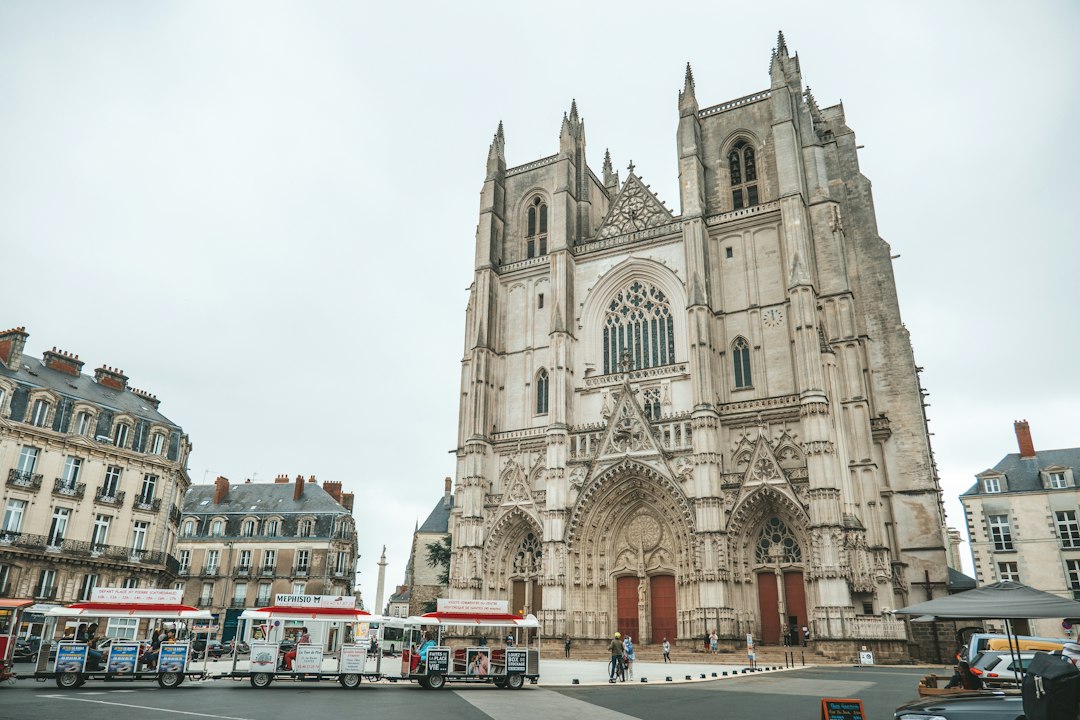
Le Voyage à Nantes is a société publique locale (SPL), a company owned by local authorities. According to its official presentation, it was born of the political will of Nantes Métropole and the City of Nantes. Its mission is to promote the cultural project of Nantes and, more broadly, the Nantes Métropole destination.
In practice, the same organisation welcomes visitors and brings together several major sites: the Machines de l’île, the Château des ducs de Bretagne, the Memorial to the Abolition of Slavery, the HAB Galerie and the Parc des Chantiers. Each summer, it also installs artworks in public spaces along a signposted trail through the city.
The central idea is simple: some of the works stay in place after the summer. As a result, the city builds a permanent artistic heritage that attracts visitors all year round.
What were the results in previous years?
To track the trend, earlier reports provide benchmarks. In 2024, according to Nantes Métropole, the 13th edition recorded:
- 852,919 visits across all Voyage à Nantes sites, from 6 July to 8 September 2024, up 4% year on year;
- 133 permanent artworks in the city, 5 of which were made permanent that year;
- 30% foreign visitors over the summer, based on data from the château and the Machines de l’île;
- 81,494 visits to the welcome desk on rue des États, up 15%.
In 2025, the official report quoted by Infos Média Nantes recorded 741,266 visits to the art trail sites, up 8% on a like-for-like basis. It also counted 2.6 million overnight stays in July and August, with 69% French and 31% foreign visitors. Note that these figures do not cover the same scope as the 2024 ones, so they cannot be compared directly.
Lessons from Voyage à Nantes 2026 for other towns
The model rests on three choices that could inspire other areas, on their own scale:
- bringing together tourism promotion, site management and cultural programming within one public body;
- investing in permanent artworks that keep attracting visitors after the event;
- publishing a report every year, with stable indicators to measure the effects.
However, the last point also reveals a limit. From one year to the next, the edition dates and the counting scope change, which makes it hard to follow a reliable trend. A small municipality should therefore set a few simple indicators from the outset: overnight stays, site attendance and the share of foreign visitors.
Other areas follow the same approach to measurement. For example, the Pays d’Auge in Normandy has published its summer 2026 results. This article is also available in French.

Visiting Nantes out of season
The summer trail is over, but the permanent artworks remain visible all year round. The sites run by the company follow their winter opening hours, which you should check before visiting. Finally, in December, Nantes also hosts its Christmas market.
Voyage à Nantes 2026: key takeaways
- 2026 edition from 4 July to 6 September: overnight tourist stays up 4% year on year, according to the company.
- Day trips declined, with no precise figure in the summary of the release.
- In Loire-Atlantique, July–August overnight stays fell by 1%, to 10.1 million.
- Le Voyage à Nantes is a public company set up by Nantes Métropole and the City of Nantes.
- In 2024: 852,919 visits and 133 permanent artworks; counting scopes vary from year to year.
Sources: Le Voyage à Nantes, press release “Bilan de la fréquentation touristique estivale 2026” of 4 November 2026, as reported by Infos Média Nantes (article of 4 November 2026), which also quotes Loire-Atlantique Développement (summer 2026 report) and Insee (summer 2026 season); Nantes Métropole, “6 chiffres qui éclairent le bilan du Voyage à Nantes 2024” (19 September 2024); Le Voyage à Nantes, “Who are we?” page; geo.api.gouv.fr for the municipality code. Pages consulted on 18 November 2026. Featured photo: Thanh Ly / Unsplash.